Presbyterian Church Origins: Reformed Christianity Explained
When people ask me what Presbyterian means, I often get the sense they're really asking two questions: Where did this tradition come from? And is it really that different from other churches?
Both are fair questions. If you're looking for a church home in Houston, you deserve to understand what makes Presbyterian worship and theology distinctive. You also deserve to know how we connect to the larger Christian family, especially if you're coming from another denomination or exploring faith for the first time.
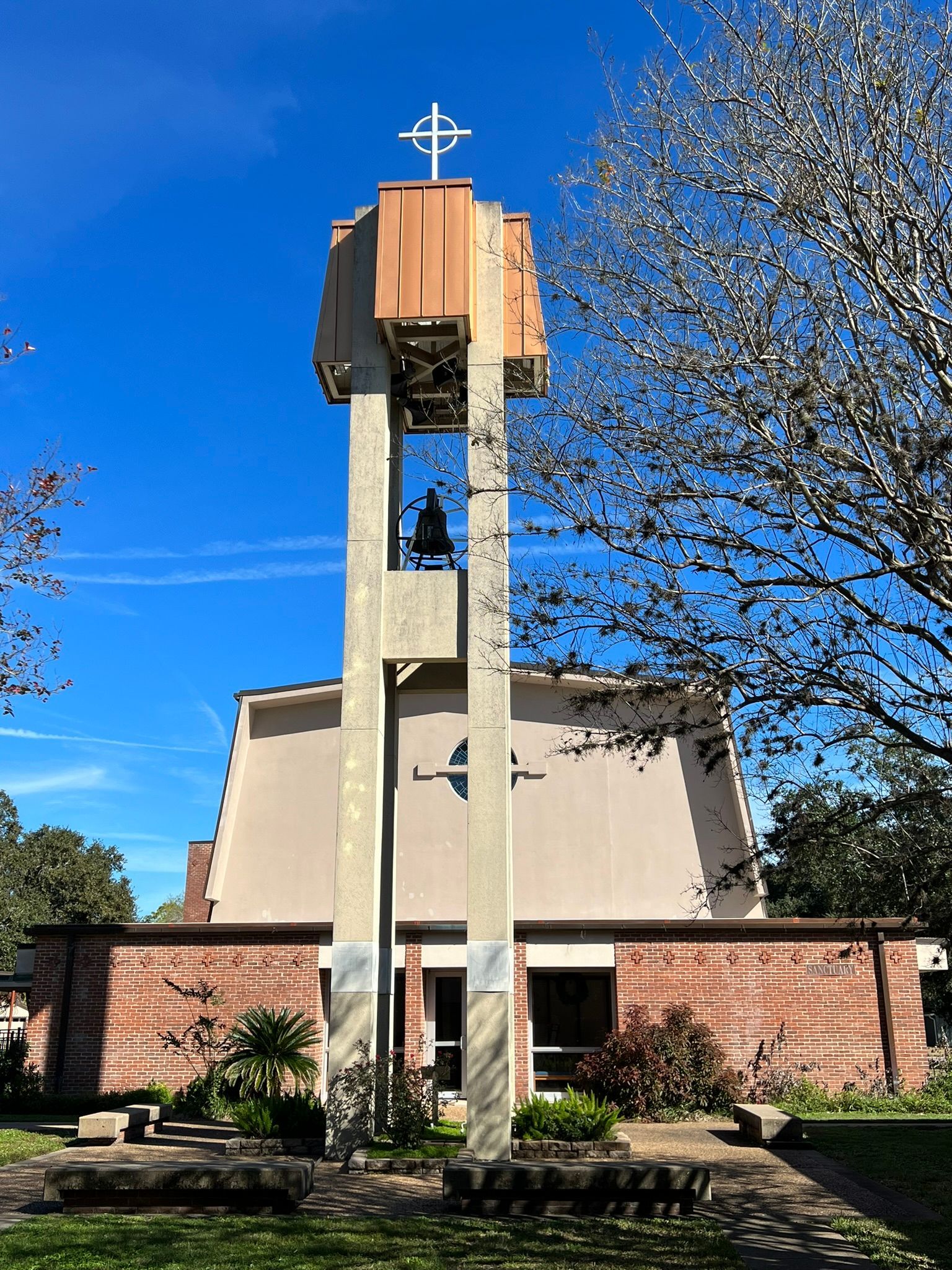
At St. John's Presbyterian Church in Houston, we're part of a tradition that goes back nearly 500 years to the Protestant Reformation. We share deep roots with other Reformed churches, but we also have distinctive practices that shape how we worship, govern ourselves, and understand God's work in the world.
Let me walk you through where we came from, what makes us different, and why it matters for your church search in Houston.
The Short Answer: We're Reformed Christians
Presbyterian churches trace their origins to Reformed Christianity, which is another way of saying Calvinism. That's the theological tradition started by John Calvin in Geneva, Switzerland, during the 1500s.
If you've spent any time around Protestant churches, you've probably heard the term "Reformed." It refers to churches that emerged from the Protestant Reformation and followed Calvin's theological insights rather than Luther's or Zwingli's or the Anglican approach.
Reformed Christianity emphasizes God's sovereignty over all creation, the authority of Scripture, salvation by grace through faith, and the importance of the church community in spiritual formation. These core beliefs shape everything Presbyterians do, from how we baptize babies to how we organize our leadership structure.
But Reformed Christianity is broader than just Presbyterian churches. It includes Dutch Reformed churches, Congregational churches in the Reformed tradition, and various other denominations that share Calvin's theological framework while organizing themselves differently.
What makes Presbyterians distinctive within the Reformed family is our system of church government through elected elders serving in councils at various levels. We'll get to that later. First, let's go back to where it all started.
Where Presbyterianism Actually Began
The Presbyterian story starts in Switzerland and France in the 1530s and 1540s, then moves to Scotland where it really took root as a national church.
John Calvin arrived in Geneva in 1536, right after the city had broken with the Roman Catholic Church. He was 27 years old and had just published the first edition of his "Institutes of the Christian Religion," which would become the most influential theological work of the Protestant Reformation.
Calvin didn't set out to create a new denomination. He was trying to reform the church according to what he found in Scripture. But his ideas about church government were revolutionary. Instead of bishops ruling over congregations, Calvin proposed a system where teaching elders (pastors) and ruling elders (laypeople) shared leadership responsibilities in councils.
This wasn't just theory. In Geneva, Calvin helped establish a Consistory, made up of pastors and twelve elected elders, that exercised moral discipline and provided pastoral care for the entire city. These elders weren't ordained clergy. They were regular citizens who shared responsibility for the spiritual health of the community.
The Geneva model spread through refugee networks. French Protestants adopted it and became known as Huguenots. English exiles studying in Geneva brought these ideas back home. But it was Scotland where Presbyterianism really flourished as a national church.
John Knox, a Scottish reformer who had pastored English exiles in Geneva from 1556 to 1558, returned to Scotland in 1559 and led the establishment of a Presbyterian national church. By 1560, the Scottish Parliament had officially broken with Rome and adopted a Presbyterian confession of faith.
Knox and his colleagues organized the Church of Scotland with kirk sessions (local church councils), presbyteries (regional councils), synods (larger regional bodies), and a General Assembly (national gathering). This became the template for Presbyterian churches worldwide.
What Connects Us to Other Protestant Churches
If you're coming from a Baptist, Methodist, Lutheran, or non-denominational background, you'll find plenty of common ground at a Presbyterian church like St. John's.
We all believe in salvation through faith in Jesus Christ, not through human works or merit. We all affirm that Scripture is the authoritative word of God. We all practice baptism and communion as sacred acts that Jesus commanded. We all believe the church is called to worship God, make disciples, and serve the world.
These shared convictions matter more than our differences. When you visit St. John's on a Sunday morning, you'll hear prayers, Scripture readings, a sermon, and hymns that would feel familiar in most Protestant churches. We're not doing something exotic or unrecognizable. We're worshiping the same God, following the same Savior, reading the same Bible.
But differences do exist, and they're worth understanding because they shape the church culture you'll experience.
How We Differ from Baptists
The biggest difference between Presbyterians and Baptists involves baptism and church government.
Baptists practice believer's baptism, which means they baptize people who can articulate their own faith. This usually happens with teenagers or adults. Baptists also immerse people completely underwater as the mode of baptism.
Presbyterians practice infant baptism. We baptize babies born to Christian parents, believing that God's covenant promises extend to children of believers. We usually sprinkle or pour water rather than immersing people. We believe baptism marks God's claim on a life, not the person's decision for God, though we expect people baptized as infants to later confirm their own faith.
In terms of church government, Baptist churches are congregational. Each local church is autonomous and makes its own decisions about doctrine, leadership, and mission. There's no higher authority that can overrule a congregation's decisions.
Presbyterian churches are connectional. We're organized in a system where local churches send representatives to regional bodies (presbyteries), which then send representatives to higher bodies (synods and General Assemblies). These larger councils can make binding decisions about doctrine and practice that local churches must follow.
This means if you're at a Baptist church and the congregation votes to change something, that's the final word. If you're at a Presbyterian church and want to change something significant, the local session (elder council) makes the decision, but major theological or constitutional matters require approval from the larger Presbyterian body.
How We Differ from Methodists
Methodists and Presbyterians share many theological convictions but differ on church government and some aspects of salvation theology.
Both traditions baptize infants. Both have ordained ministers who preach and administer sacraments. Both take Scripture seriously as God's word. Both emphasize practical holiness and service to the poor.
The main difference is in how we understand salvation and sanctification. Methodists follow John Wesley's teaching that Christians can grow toward entire sanctification or Christian perfection in this life. Presbyterians tend to be more Reformed, emphasizing that sanctification is a lifelong process that won't be complete until we're with Christ in eternity.
Methodist churches are also governed by bishops, making them more hierarchical than Presbyterian churches. Methodist bishops appoint pastors to churches. Presbyterian churches call their own pastors through a congregational vote, though the presbytery must approve the call.
If you're coming from a Methodist background, you'll find Presbyterian worship fairly formal and orderly, similar to traditional Methodist services. You won't find the emotional intensity of Methodist revivals in typical Presbyterian worship. We're a bit more reserved, though that doesn't mean we're cold or unwelcoming.
How We Differ from Lutherans
Lutherans and Presbyterians are both products of the Protestant Reformation, but we followed different reformers and developed different emphases.
Both traditions believe in salvation by grace through faith alone. Both reject the Catholic understanding of the Mass as a sacrifice. Both baptize infants. Both confess historic Christian creeds like the Apostles' Creed and the Nicene Creed.
The most significant theological difference involves the Lord's Supper. Lutherans believe in the real presence of Christ in the bread and wine, following Luther's teaching that Christ is truly present "in, with, and under" the elements even though they remain bread and wine.
Presbyterians believe in the spiritual presence of Christ at communion. We don't think Christ is physically present in the elements, but we do believe that through the Holy Spirit, Christ is spiritually present and we truly commune with him when we eat and drink. It's more than just remembering; it's actual spiritual nourishment.
Lutheran churches are also organized differently. Some Lutheran denominations have bishops, others are more congregational. Presbyterian polity, with its system of graded church courts from session to presbytery to General Assembly, is distinctive.
How We Differ from Non-Denominational Churches
This comparison is trickier because non-denominational churches don't have a single theological framework. But most non-denominational evangelical churches share certain characteristics that differ from Presbyterian practice.
Non-denominational churches typically emphasize contemporary worship with bands, video screens, and casual atmosphere. Presbyterian worship tends to be more liturgical, following a set order of service with more traditional music, though this varies by congregation.
Non-denominational churches are usually governed by a single pastor or a small team of pastors, sometimes with an advisory board. Presbyterian churches are governed by a session of elected elders who share authority with the pastor. No single person can make unilateral decisions about the church's direction.
Theologically, many non-denominational churches emphasize personal conversion experiences and may be more flexible about doctrine. Presbyterian churches hold to specific confessional standards (like the Westminster Confession) and have a more structured approach to theology.
If you're coming from a non-denominational church, Presbyterian worship at St. John's might feel more formal and traditional. But that doesn't mean it's stuffy or dead. It means we're drawing on centuries of Christian worship practices rather than inventing new approaches.
What Makes Presbyterian Worship Distinctive
Walk into most Presbyterian churches on Sunday morning and you'll notice a similar pattern. We follow a liturgy, which just means an order of worship. This usually includes:
- A call to worship drawn from Scripture
- Hymns or songs of praise
- A prayer of confession where we acknowledge our sins
- An assurance of pardon proclaiming God's forgiveness
- Scripture readings from Old and New Testaments
- A sermon explaining and applying the biblical text
- Prayers of intercession for the world and congregation
- The offering
- Sometimes communion
- A benediction sending us out to serve
This structure isn't random. It tells a story of how we approach God, confess our need, receive grace, hear God's word, respond in praise and giving, and go out transformed to live faithfully.
Presbyterian worship centers on the Word preached. Sermons are typically substantial, 20 to 30 minutes, exploring biblical texts with theological depth. We're not trying to entertain people or make them feel good. We're trying to help people understand Scripture and follow Jesus more faithfully.
The sacraments matter deeply. When we baptize someone at St. John's, the entire congregation stands to affirm their commitment to help raise this child in faith. When we celebrate communion, we believe Christ is spiritually present through the Holy Spirit, feeding our souls just as the bread and wine feed our bodies.
Music in Presbyterian worship varies by congregation. Some Presbyterian churches use only organ and traditional hymns. Others incorporate contemporary songs. At St. John's, we use a mix, leaning toward classical and traditional music played by skilled musicians. We have a volunteer choir that brings excellence without turning worship into performance.
Prayer is conversational but reverent. We pray extemporaneously, not reading formal prayers from a book, but our prayers follow patterns rooted in Scripture. We pray for the church, the world, people in need, and our own community.
Presbyterian Theology: The Core Beliefs
If you want to understand Presbyterian theology, start with five core convictions that Reformed Christians have emphasized since Calvin's time.
God's Sovereignty
We believe God is in control of all creation and all history. Nothing happens outside God's knowledge or authority. This doesn't mean God causes evil or removes human responsibility. It means that even when things seem chaotic, God is working out his purposes.
This conviction shapes how we pray, how we face suffering, and how we understand salvation. If God is truly sovereign, then our salvation depends entirely on God's grace, not our decisions or efforts. We're saved because God chose us in Christ, not because we chose God.
Scripture's Authority
We believe the Bible is God's word and the final authority for faith and practice. This doesn't mean we read the Bible literally in every case or ignore scholarship. It means Scripture judges everything else, including our experiences, traditions, and culture.
At St. John's, our teaching is rooted in Scripture. When we discuss controversial issues or make decisions about church life, we always ask: What does Scripture say? How do we interpret it faithfully? What does it require of us?
Grace Alone
We believe salvation comes entirely through God's grace, received through faith, not earned through good works. This was Luther's great insight, and Calvin agreed completely. We're saved by grace, not by being good enough or religious enough.
This conviction frees us from anxiety about our standing with God. If salvation depends on grace, not performance, then we can rest in God's love. We do good works not to earn salvation but as grateful responses to grace already received.
Christ's Mediation
We believe Jesus Christ is the only mediator between God and humanity. We don't pray to saints or Mary. We don't confess our sins to priests. We come directly to God through Jesus, trusting his death and resurrection to reconcile us to God.
This shapes Presbyterian worship. We don't have elaborate rituals or hierarchies. We gather as a community of believers around Word and sacrament, trusting Christ to meet us there through the Holy Spirit.
Covenant Theology
We believe God relates to humanity through covenants, binding promises that show God's faithfulness. In the Old Testament, God made covenants with Noah, Abraham, Moses, and David. In the New Testament, Jesus established a new covenant through his blood.
This covenant framework explains why we baptize infants. Just as God included children of believers in the Old Testament covenant, we believe God includes children of believers in the new covenant. Baptism marks God's covenant promise to children, even before they can respond in faith.
Presbyterian Church Government: Why It Matters
You might wonder why church government matters. Can't people just worship God without worrying about organizational structures?
In theory, yes. In practice, how a church is governed shapes everything about its culture, decision-making, and accountability.
Presbyterian government is based on representation through elected elders. At St. John's, the congregation elects ruling elders (lay leaders) to serve on the session, which is the governing body of the local church. These elders, along with the pastor (a teaching elder), make decisions about church life, oversee ministries, handle discipline when necessary, and shepherd the congregation spiritually.
The session is accountable to the presbytery, which is a council made up of representatives from all the Presbyterian churches in a geographical region. The presbytery ordains ministers, approves pastoral calls, handles disputes, and provides oversight to ensure churches stay faithful to Presbyterian standards.
Beyond the presbytery, there are synods (larger regional bodies) and the General Assembly (the national gathering of the denomination). These higher councils can make binding decisions about doctrine, polity, and mission that lower bodies must follow, though there's a system of appeals and votes at every level.
This might sound bureaucratic, and sometimes it is. But the Presbyterian system has real advantages.
First, it prevents one person from having too much power. The pastor can't unilaterally fire the music director, change the church's doctrine, or spend money however he wants. The session makes these decisions together.
Second, it provides accountability. If a pastor or elder behaves badly, the presbytery can investigate and take action. Local churches can't just ignore misconduct or theological error.
Third, it connects churches in mission. Through our Presbyterian structure, St. John's is part of a wider network supporting mission work, disaster relief, educational institutions, and social services that no single congregation could sustain alone.
Fourth, it ensures continuity. When churches make decisions about doctrine or practice, they're not starting from scratch or following the latest trend. They're part of a tradition with theological depth and historical wisdom.
This system of checks and balances reflects Reformed convictions about human nature. We believe people are sinful and prone to error, so we shouldn't concentrate too much power in one person or one body. We need accountability at every level.
What This Means at St. John's Presbyterian in Houston
So what does all this Reformed theology and Presbyterian polity actually look like in a real church?
At St. John's, it means we take Scripture seriously but not simplistically. Our Sunday morning Bible study at 9:30 AM tackles difficult passages and hard questions. We don't pretend the Bible is always easy to understand or that faithful Christians never disagree about interpretation. But we trust Scripture to guide us when we study it carefully and prayerfully.
It means our worship is participatory, not performative. We don't have a stage with professional musicians entertaining a crowd. We have a sanctuary where a congregation gathers to worship God together. Our volunteer choir is excellent, led by professional musicians who bring grace and skill to their work, but the point is not to impress anyone. The point is to offer our best to God.
It means our mission grows out of conviction, not programming. We run a community garden that provides fresh produce to food pantries serving hundreds of families weekly because we believe faith without works is dead. We support an orphanage in Uganda, provide resources to Houston's International Seafarer's Center, and partner with Braes Interfaith Ministries because Jesus called us to love our neighbors, and love requires action.
It means our Session takes its work seriously. Our elders oversee committees handling administration, caring and fellowship, Christian education, finance and stewardship, and faith in action. When we make decisions about church life, we're not asking "What will bring in more people?" We're asking "What is faithful? What serves our mission? What honors God?"
It means we're part of something larger than ourselves. Through the Presbyterian Church (USA), St. John's connects with mission partners around the world, supports educational institutions like Austin Presbyterian Theological Seminary, and participates in presbytery meetings where we join with other Presbyterian churches in the Houston area.
The Houston Presbyterian Landscape
Houston has several Presbyterian denominations represented, which can be confusing if you're church shopping.
The largest group is Presbyterian Church (USA), often called PC(USA), which is the mainline Presbyterian denomination in America. St. John's is part of PC(USA). We're affiliated with New Covenant Presbytery, which includes Presbyterian churches in the Houston area.
PC(USA) ordains women as pastors and elders, which some Presbyterian denominations do not. We also take more progressive stances on some social issues. If you're looking for a Presbyterian church that values both theological depth and social justice, PC(USA) churches are a good fit.
The Presbyterian Church in America (PCA) is a more conservative Presbyterian denomination that formed in 1973 over disagreements about theology and biblical interpretation. PCA churches tend to be more evangelical in worship style and more conservative on issues like women's ordination and human sexuality. If you're looking for Reformed theology with a more conservative approach, you might explore PCA churches in Houston.
There are also smaller Presbyterian denominations like the Evangelical Presbyterian Church (EPC), which occupies middle ground between PC(USA) and PCA, and the Reformed Presbyterian Church, which follows even more traditional practices.
When you're looking for a Presbyterian church in Houston, it's worth asking which denomination they're part of. The theological framework will be similar across Presbyterian churches, but the culture and specific doctrinal positions can vary significantly.
Common Questions About Presbyterian Faith
Do Presbyterians believe in predestination?
Yes, though it's often misunderstood. Predestination doesn't mean God predetermines every event or that humans have no free will. It means God chose to save people through Christ before the foundation of the world, not based on anything they would do but purely out of grace.
Presbyterians debate how much emphasis to place on predestination. Some of us talk about it constantly, others rarely mention it. But we all affirm that salvation comes entirely from God's initiative, not human decision or merit.
Do Presbyterians believe you can lose your salvation?
No. We believe that those whom God saves will persevere in faith to the end because God is faithful. This doesn't give license to sin carelessly. If someone claims to be saved but lives with no evidence of faith, we question whether genuine conversion happened. But we trust that God completes what God starts.
Why do Presbyterians baptize babies?
We believe God's covenant includes children of believers. In the Old Testament, children received the covenant sign of circumcision. In the New Testament, baptism replaces circumcision as the covenant sign. We baptize infants to mark God's claim on their lives, trusting that as they grow, they'll personally embrace the faith in which they were raised.
Baptism doesn't automatically save children. It marks God's covenant promise and the church's commitment to raise them in faith. When children reach an age where they can understand faith, they go through confirmation classes and publicly profess their own faith.
Do Presbyterians drink alcohol?
This varies by congregation and individual conscience. Presbyterian churches don't prohibit alcohol consumption. We believe Christians should exercise self-control and not get drunk, but moderate consumption is a matter of personal freedom. Some Presbyterian churches even use wine for communion, though many use grape juice.
At St. John's, you won't find alcohol at church events, not because we think it's sinful, but because we want to be sensitive to people who struggle with alcoholism or come from traditions where any alcohol use is discouraged.
Are Presbyterian churches dying out?
Mainline Presbyterian denominations like PC(USA) have experienced membership decline in recent decades. Many traditional Presbyterian churches in America are aging and shrinking. But Presbyterian and Reformed churches globally are growing rapidly, especially in Africa, Asia, and Latin America.
At St. John's, we've been serving Houston since 1956. We're a smaller congregation of about 250 members with an average Sunday attendance of 75, and we're honest about the challenges facing mainline Protestantism. But we're also convinced that smaller, mission-focused congregations offer something valuable that megachurches cannot replicate.
When you're known by name, when you're genuinely missed when absent, when you can actually participate in ministry rather than just attending programs, church becomes transformative in ways that size alone never achieves.
Why Presbyterian Theology Matters for Your Church Search
If you're looking for a church home in Houston, understanding Presbyterian distinctives helps you evaluate whether this tradition fits your spiritual needs.
Choose a Presbyterian church if you value:
Theological depth without intellectual coldness. Presbyterians take ideas seriously but don't turn faith into abstract philosophy. We dig into Scripture, wrestle with hard questions, and believe God gave us minds to use in service of faith.
Ordered worship without rigidity. Presbyterian worship follows patterns that have served the church for centuries, but we're not stuck in the past. We adapt liturgy to contemporary needs while maintaining theological substance.
Shared leadership without democracy run amok. Presbyterian government ensures accountability and prevents one person from dominating, but we don't vote on everything. Elders make decisions prayerfully, not based on majority opinion.
Mission focus without superficial activism. Presbyterians believe faith produces works, but we're not social workers with Bibles. We serve people because Jesus commands it, and we do it alongside proclaiming the gospel.
Historical roots without ancestor worship. We respect tradition and confessional standards, but we're not frozen in the 16th century. We interpret Scripture and theology for our own time while staying grounded in Reformed principles.
Community without coercion. Presbyterian churches aim to be genuine communities where people know and care for each other, but we don't manufacture community through manipulative techniques or guilt trips. Community grows naturally from shared faith and mission.
If these values resonate with you, exploring a Presbyterian church makes sense.
Why St. John's Offers Something Distinctive in Houston
Houston has hundreds of churches to choose from. Why visit St. John's?
We're located at 5020 West Bellfort Avenue, serving the
Westbury,
Meyerland, and
Bellaire communities in
southwest Houston. We're convenient to the Texas Medical Center, Rice University, and the Museum District. If you live or work in this part of Houston, we're accessible.
But geography isn't enough. What makes St. John's worth visiting?
We're serious about mission. Our community garden isn't a photo opportunity. It's real food going to real families through Braes Interfaith Ministries' food pantry. Our support for the Uganda orphanage isn't a line item in a budget. It's actual children receiving food, education, and care. Our partnership with the Houston International Seafarer's Center isn't theoretical. It's tangible support for people far from home.
We're genuine about community. When you visit St. John's, you won't be handed a name tag and directed to a program. You'll be welcomed by people who will remember your name next Sunday. You'll find a congregation small enough that your presence matters, large enough to sustain meaningful ministry.
We're committed to quality without pretension. Our worship music is excellent because our musicians are skilled and dedicated, not because we're trying to compete with entertainment venues. Our sermons are substantive because we believe adults deserve teaching with depth, not simplistic platitudes.
We're honest about our limits. We can't offer programs for every age group or every interest. We don't have a café or a bookstore or a gymnasium. What we offer is authentic Christian community rooted in Reformed theology, expressed through Presbyterian worship and governance, focused on mission that makes actual difference in Houston and beyond.
If you're looking for a megachurch experience with professional production values and hundreds of programs, St. John's isn't the right fit. If you're looking for a place where you'll be known, needed, and missed, where worship connects you to God and to others, where mission grows from changed hearts rather than marketing strategies, visit us.
Sunday worship is at 11:00 AM. Bible study begins at 9:30 AM. Children's Sunday School runs during worship at 11:00 AM, with flexible options for families who want to worship together.
Resources for Deeper Exploration
If you want to explore Presbyterian theology and Reformed spirituality more deeply, I've written several books that might help.
My
Christian Spirituality series explores different dimensions of Reformed spiritual life, including stewardship, prayer, silence, and the inner journey. These aren't academic theology. They're companions for people who want to live faithfully.
My
Bible Studies series offers accessible engagement with Scripture, including studies on James, Jonah, Colossians, and Leviticus. These work well for personal devotion or small group study.
My
Advent and
Lent series provide seasonal reflections that help you enter the church year with fresh insight.
These books aren't required reading for Presbyterians. They're simply resources I've created to help people grow in faith, whether you're Presbyterian or not.
The Invitation
Presbyterian churches trace their origins to Reformed Christianity, which emphasizes God's sovereignty, Scripture's authority, grace alone, Christ's mediation, and covenant theology. We're part of a tradition shaped by John Calvin, established as a national church by John Knox, and carried to America by Scottish and English immigrants.
We share core convictions with other Protestant churches but differ in how we baptize, govern ourselves, and understand worship. We're neither as informal as Baptists nor as hierarchical as Methodists. We're neither as emotive as Pentecostals nor as ritualistic as Episcopalians.
At our best, Presbyterian churches offer theological depth accessible to regular people, ordered worship that connects us to centuries of Christian practice, shared leadership that prevents tyranny and provides accountability, and mission focus that serves real needs in Jesus' name.
At St. John's Presbyterian Church in Houston, we're trying to live out this Reformed heritage in a way that honors both tradition and contemporary needs. We're a congregation of about 250 members, with Sunday worship averaging 75 people, committed to being known and knowing each other, serving Houston and the world, and growing deeper in faith together.
If you're looking for authentic Christian community rooted in Reformed theology, expressed through Presbyterian worship, and focused on mission that matters, visit us.
Call 713-723-6262 or email office.sjpc@gmail.com to learn more. Better yet, just show up Sunday morning at 11:00. We'll save you a seat.
Peace,
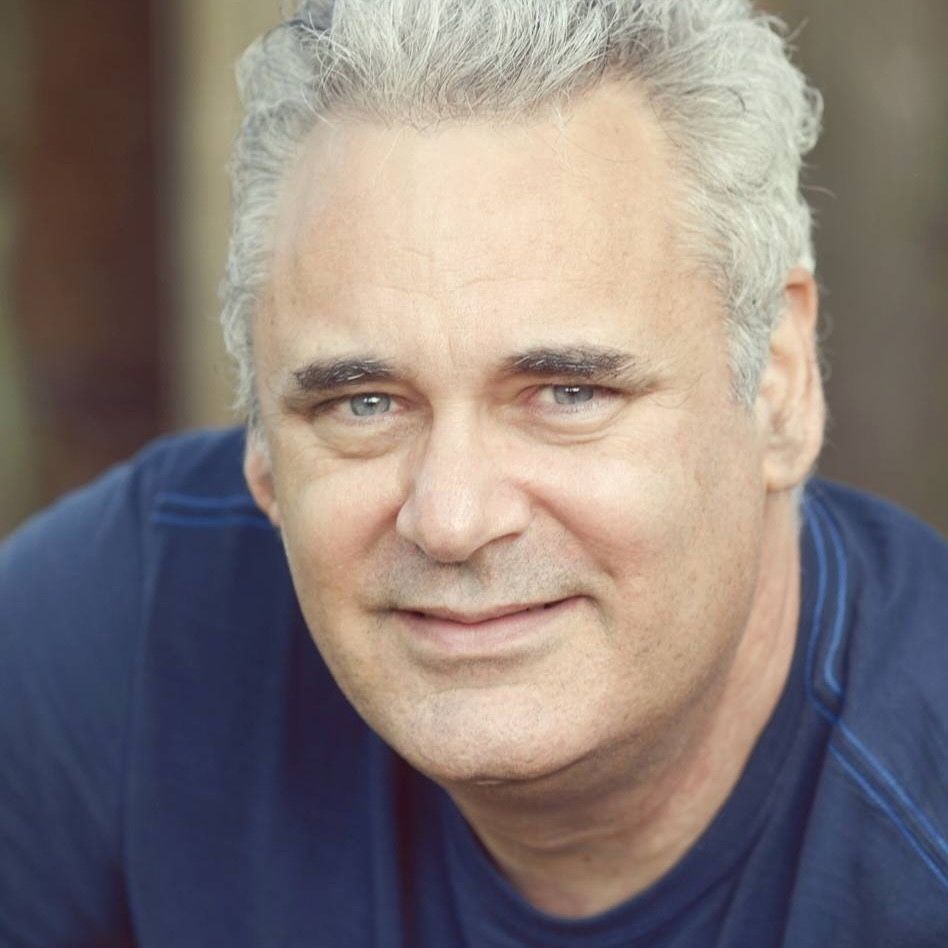
Pastor Jon Burnham
St. John's Presbyterian Church
5020 West Bellfort Avenue
Houston, TX 77035
Sunday Worship: 11:00 AM
Sunday Bible Study: 9:30 AM
We're not perfect. We're Presbyterian. But we're trying to follow Jesus faithfully, and we'd welcome you on that journey.