What Does Presbyterian Really Mean? Beyond Politics and Labels
When Donald Trump announced in October 2020 that he no longer identified as Presbyterian, some people took notice. Raised in the Presbyterian faith by his Scottish mother and confirmed at First Presbyterian Church in Jamaica, New York in 1959, Trump had publicly identified as Presbyterian for most of his adult life. Now he considers himself a nondenominational Christian.
But here's what matters more than Trump's religious affiliation or anyone else's public label: what does Presbyterian actually mean? Beyond the politics, beyond the demographics, beyond the institutional brand, what substance lies at the heart of Presbyterian identity?
Because if you're looking for a church home in Houston, you need to understand what you're actually getting when you walk through Presbyterian doors. The label tells you something, but not everything. And what it tells you might surprise you.
The Problem with Religious Labels
Americans love to sort themselves into categories. We're Presbyterian, Methodist, Baptist, nondenominational, or just "spiritual but not religious." We wear these labels like team jerseys, often without thinking much about what they actually mean.
The truth is, religious labels can hide more than they reveal. Two Presbyterian churches in the same city might look completely different. One might feel more like a concert venue with a coffee bar, while another maintains quiet reverence with pipe organ and hymns. One might emphasize emotional experience, while another focuses on intellectual engagement with Scripture.
So when someone like Trump says he's no longer Presbyterian, what exactly is he leaving behind? And when someone chooses to join a Presbyterian church, what exactly are they joining?
These questions matter because your faith community shapes your spiritual life more than you might realize. The theology you hear preached, the worship style you experience, the way leadership operates, the mission priorities emphasized, all these things form you whether you're paying attention or not.
What Presbyterian Actually Means: The Foundations
Let me give you the substance behind the label. Presbyterian comes from the Greek word "presbuteros," meaning elder. Right there in the name, you learn something fundamental: Presbyterians believe in shared leadership by elders chosen from the congregation, not top-down control by pastors or bishops.
This matters practically. At St. John's Presbyterian Church here in Houston, I'm the pastor, but I don't run the show. Our Session, a group of elected elders from our congregation, makes the major decisions. Lynne Parsons Austin serves as our Clerk of Session. When we decided to partner with Presbyterian Children's Homes and Services to provide housing for single mothers, the Session discerned that calling together. When we maintain our community garden that feeds both church members and the Braes Interfaith Ministries food pantry, elders lead that work.
This Presbyterian governance structure reflects a deeper theological commitment: no one person has all the wisdom or spiritual authority. We need each other. We make better decisions together than any individual could make alone.
Reformed Theology: God's Grace and Human Responsibility
Presbyterian churches stand in the Reformed tradition that traces back to John Calvin in 16th century Geneva and John Knox in Scotland. If you've heard of the Westminster Confession of Faith or the Heidelberg Catechism, those documents shape Presbyterian theology.
Here's what that means in practice:
- We believe in God's sovereignty. This isn't fatalism or passivity. It's the confidence that history has meaning and purpose because God is working out His redemptive plan. When life falls apart, when nothing makes sense, when you can't see any path forward, the Reformed faith says God remains in control even when you're not.
- This shapes how we face suffering. I've sat with families in ICU waiting rooms, walked through job losses and divorces and deaths, and I've watched Presbyterian faith provide genuine strength. Not because we pretend everything's fine, but because we believe our lives are held within a larger story that doesn't end with our worst day.
- We believe we're saved by grace alone. Not by our good works, not by spiritual practices, not by church attendance or Bible knowledge. God saves us freely, not because we earned it but because Christ died for us and rose again. This makes Presbyterian worship fundamentally honest. We confess sin freely because we're confident in God's forgiveness. We don't pretend to have it all together.
- This matters in Houston's church landscape. Some megachurches offer prosperity gospel that says faithful people get blessed materially. Presbyterian theology says faithful people sometimes suffer, sometimes struggle financially, sometimes face unanswered prayers. But God's grace remains constant regardless of our circumstances.
- We believe in the priesthood of all believers. You don't need a special spiritual elite to mediate God's presence. Every believer has direct access to God through Christ. This shapes how we read Scripture together, how we pray, how we understand spiritual authority in the church.
- At St. John's, our Tuesday women's Bible study and Wednesday men's study aren't just the pastor teaching. Regular members lead discussions, share insights, ask hard questions. We believe God's Spirit speaks through the whole community, not just the professionals.
- We take Scripture seriously. In Presbyterian worship, the Bible isn't just a jumping-off point for inspirational thoughts. The sermon is exposition of Scripture that asks: What is God actually saying through this text? How does this passage challenge our comfortable assumptions? What does faithful response look like?
This distinguishes Presbyterian Christianity from approaches that treat the Bible as one wisdom source among many. Real spiritual growth happens when you submit to a wisdom tradition that sometimes tells you things you don't want to hear.
Presbyterian Worship: Substance Over Spectacle
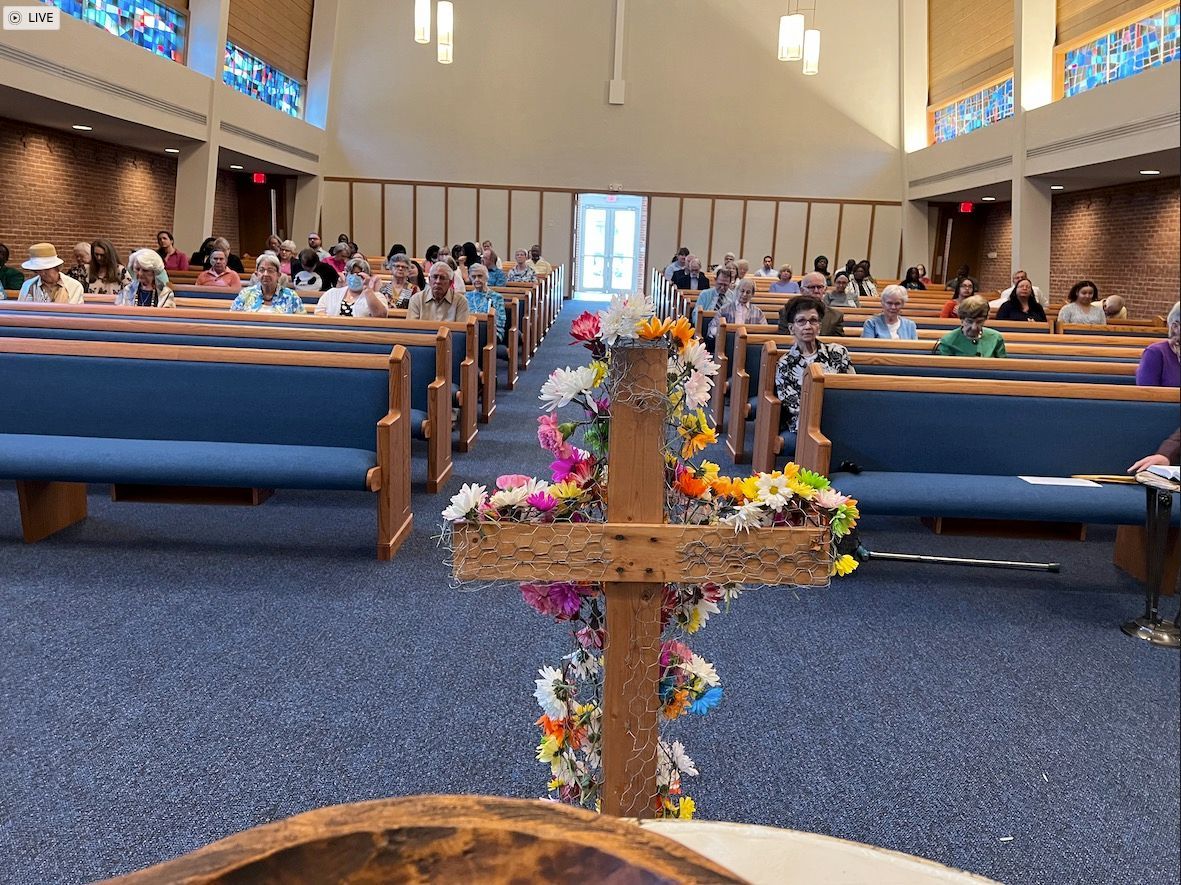
Walk into St. John's on a Sunday morning at 11 AM, and you won't find fog machines or elaborate lighting. You won't see a band on a concert stage. What you will find is worship that's been refined over centuries to actually form disciples rather than just entertain audiences.
Our worship follows what's called a liturgy, which simply means "the work of the people." Every element has purpose: the call to worship that gathers us together, the confession of sin that makes us honest before God, the assurance of pardon that reminds us we're forgiven, the Scripture readings that center us on God's Word, the sermon that opens that Word, the prayers that lift our needs to God, the offering that represents our whole lives given back to God, and the benediction that sends us out to serve.
This structure creates space for genuine encounter with God. When you're not constantly stimulated by production elements, you can actually hear God speak. When worship doesn't require manufacturing particular emotions, authentic responses can emerge.
- Music matters in Presbyterian worship. We sing hymns that have proclaimed faith for centuries alongside newer songs that capture the same truths in fresh language. At St. John's, our volunteer choir is led by highly professional musicians who bring excellence without turning worship into performance. The congregation sings together. Four-part harmonies, organ music, an occasional violin or guitar. Always pointing to God, never to the performer.
- One Sunday our organist hit a spectacularly wrong note during "Amazing Grace." We all chuckled quietly. "Even the pipes need grace," I said from the pulpit. It lightened the moment, reminded us worship is gloriously human even as it reaches toward the divine.
- Prayer is communal in Presbyterian worship. During our service, people share real prayer concerns out loud. Job searches. Health struggles. Family problems. We pray for each other by name, and those prayers continue throughout the week. When someone in our congregation faces crisis, people don't just say "thoughts and prayers." They show up with meals, rides to medical appointments, help with yard work, actual presence.
This is Presbyterian community working the way it's supposed to work.
Presbyterian Mission: Faith That Actually Does Something
Here's what separates authentic Presbyterian faith from religious entertainment: mission focus. We don't gather on Sunday morning just to feel good. We gather to be equipped and commissioned to serve God's purposes in the world.
At St. John's, our mission partnerships reflect Presbyterian commitments to both mercy and justice. We support Presbyterian Children's Homes and Services, helping single mothers develop life skills and achieve independence. We maintain eighteen raised beds in our community garden, growing vegetables that feed families and donate to Braes Interfaith Ministries food pantry. We support children in Uganda through Lulwanda Children's Home. We partner with Houston International Seafarers Center, serving workers far from home.
This isn't a separate program bolted onto church life. Service is what happens when God changes your heart. It's what Presbyterian theology looks like when it walks out the sanctuary doors into Houston's streets.
The garden started small but became something that brings together church members and neighbors who may never attend worship. We work side by side with people who don't share our faith but do share concerns about healthy food and community. Kids explore the towering okra and giant sunflowers while learning where food actually comes from.
This is Presbyterian mission: meeting real needs in practical ways while building genuine relationships across differences.
Why Size Matters for Authentic Presbyterian Community
Houston offers Presbyterian options from small congregations to large institutional churches. St. John's sits in a sweet spot with about 250 members and average Sunday attendance around 75. We're big enough to sustain diverse programming and maintain long-term mission partnerships, but small enough that people actually know each other.
In a megachurch, you can attend for years without anyone knowing your name. When crisis hits, you might slip through the cracks. At St. John's, when you're absent two Sundays in a row, someone notices and checks on you. When you need help, the community responds with more than thoughts and prayers.
This matters more than contemporary worship culture wants to admit. Faith disconnected from actual relationships becomes abstract and unsustainable. You need people who know your story, celebrate your joys, walk with you through struggles.
Presbyterian polity is designed for this kind of intimate community. Elders know their congregation members personally. When the Session makes decisions about ministry direction or budget priorities, they're not guessing about needs. They know families by name, understand real situations, can respond with wisdom born from relationship.
Presbyterian Identity in Houston Context
Houston's religious landscape is dominated by megachurch culture and prosperity gospel. Lakewood Church fills the former Compaq Center with thousands of worshipers. Other large congregations offer slick production and feel-good messaging.
There's nothing inherently wrong with large churches. But Presbyterian identity offers an alternative vision: worship focused on God rather than entertainment, teaching that challenges rather than just affirms, community that requires vulnerability and commitment, mission that serves rather than just blesses those who give.
This alternative matters particularly for adults who've tried megachurches and found them lacking. They come to St. John's looking for authentic relationships, biblical depth, meaningful service opportunities. They stay because they find a church family that knows them, challenges them, supports them through all of life's seasons.
We're located at 5020 West Bellfort Avenue in Houston's southwest area, serving Westbury, Meyerland, and Bellaire neighborhoods. We've been part of this community since 1956. We're not trying to compete with megachurches on their terms. We're offering something different: Presbyterian faith that prioritizes substance over style, relationships over programs, mission over entertainment.
What to Expect at a Presbyterian Church
If you visit St. John's or another Presbyterian church, here's what you should experience:
- Worship that's participatory, not performance-based. You'll sing together, pray together, share real concerns during the service. Professional musicians provide excellence, but the focus stays on congregational participation rather than entertainment.
- Teaching that's biblical, not inspirational. Sermons connect Scripture with daily life challenges, but we don't avoid difficult passages or controversial topics. Sometimes truth makes you uncomfortable before it sets you free. Presbyterian preachers believe their job is to open God's Word faithfully, not just make people feel good.
- Community that's authentic, not artificial. People know each other's real stories, the struggles as well as successes. We provide genuine support during crises. We celebrate together. We sometimes disagree but work through differences with grace because we're committed to each other long-term.
- Governance that's shared, not hierarchical. Regular members participate in church leadership through the Session. Major decisions involve congregational input. Power is distributed, not concentrated in pastoral office.
- Mission that's transformational, not transactional. We're not trying to get blessed by doing good deeds. We're responding to God's grace by loving neighbors in practical ways. Mission grows organically from changed hearts rather than being another program to manage.
Beyond Celebrity Faith to Real Substance
So back to Trump's decision to identify as nondenominational rather than Presbyterian. What did he leave behind? And what are people missing when they choose labels over substance?
Presbyterian identity offers:
- Theological depth rooted in Scripture and centuries of Reformed tradition
- Shared leadership that prevents personality cults and authoritarian pastors
- Worship that forms disciples rather than entertains audiences
- Community sized for actual relationships rather than anonymous attendance
- Mission focus that puts faith into concrete action
These commitments remain constant whether you're Presbyterian by birth, by choice, or by conviction. They transcend politics, demographics, and celebrity associations. They represent a particular way of following Jesus that emphasizes both grace and responsibility, both faith and action, both individual relationship with God and accountable community life.
The question isn't whether Trump or any other public figure identifies as Presbyterian. The question is whether Presbyterian faith still offers something Houston needs: churches where people are known and needed, where Scripture shapes life, where mission serves real needs, where genuine community forms disciples into Christ's image.
Invitation to Experience Presbyterian Faith
If you're curious about what Presbyterian really means beyond the label, come experience it yourself. Visit St. John's Presbyterian Church on a Sunday morning at 11 AM. Walk through doors that have welcomed Houston families for nearly 70 years. Sit in pews where people have wrestled with faith through every kind of life circumstance.
You'll find Bible study at 9:30 AM on Sunday mornings, where we dig into Scripture together with honest questions and pastoral wisdom. You'll find a sanctuary with space in back for parents with young children, a rocking chair and work table where kids can rest and play during worship. You'll find Children's Sunday School at 11 AM during worship if you prefer that option for your family.
You'll meet people who chose St. John's not because it's the biggest or flashiest church in Houston, but because they found authentic Christian community here. People who value depth over breadth, relationships over programs, mission that makes real difference in Houston's neighborhoods.
After worship, stay for coffee and conversation in our fellowship hall. This isn't networking or superficial socializing. It's people actually talking with each other, sharing life, building the connections that sustain faith over time.
Presbyterian identity means something substantial. It represents a particular way of following Jesus that's been refined over five centuries and continues to form disciples today. Not because we're better than other traditions, but because this particular path combines theological depth with practical mission, reverent worship with genuine community, grace-filled relationships with accountable discipleship.
Come see what Presbyterian faith looks like when it's lived authentically in Houston's southwest neighborhoods. You might discover that what you've been searching for isn't found in bigger productions or hipper brands, but in a church family that knows your name, shares your burdens, celebrates your joys, and walks with you toward becoming who God created you to be.
For more information about Presbyterian worship and what makes it distinctive, read about
what makes Presbyterian worship unique in Houston. To understand how our mission focus shapes everything we do, explore
community mission work at St. John's Presbyterian. And if you're wondering how we differ from megachurch culture, learn about
why smaller churches create stronger community.
Call us at (713) 723-6262 or visit us this Sunday at 11 AM. No pressure, no sales pitch. Just come see what Presbyterian means when it's more than a label.
Want to Go Deeper?
If you're drawn to exploring Presbyterian faith more deeply, I've written several books that might help:
The Open Church: Faith that Welcomes Questions from my Thoughtful Faith series addresses how Presbyterian churches can be communities where honest questions strengthen rather than threaten faith.
Rooted in Christ: A Journey Through Colossians from my Bible Studies series explores how mature Presbyterian faith stays grounded in Christ's sufficiency rather than chasing spiritual trends.
Stewardship: Faithful, Fruitful, and Flourishing from my Christian Spirituality series unpacks what it means to live as faithful stewards of God's gifts, a core Presbyterian conviction.
These books aren't substitutes for church community. They're companions for the journey, meant to deepen the faith you're living out with actual people in actual congregations. Because Presbyterian faith isn't just about believing the right things. It's about becoming certain kinds of people together, shaped by worship that honors God, teaching that challenges us, relationships that sustain us, and mission that transforms our city.
That's what Presbyterian really means. Not a political affiliation or demographic category, but a lived faith that makes real difference in Houston and beyond.
Peace,
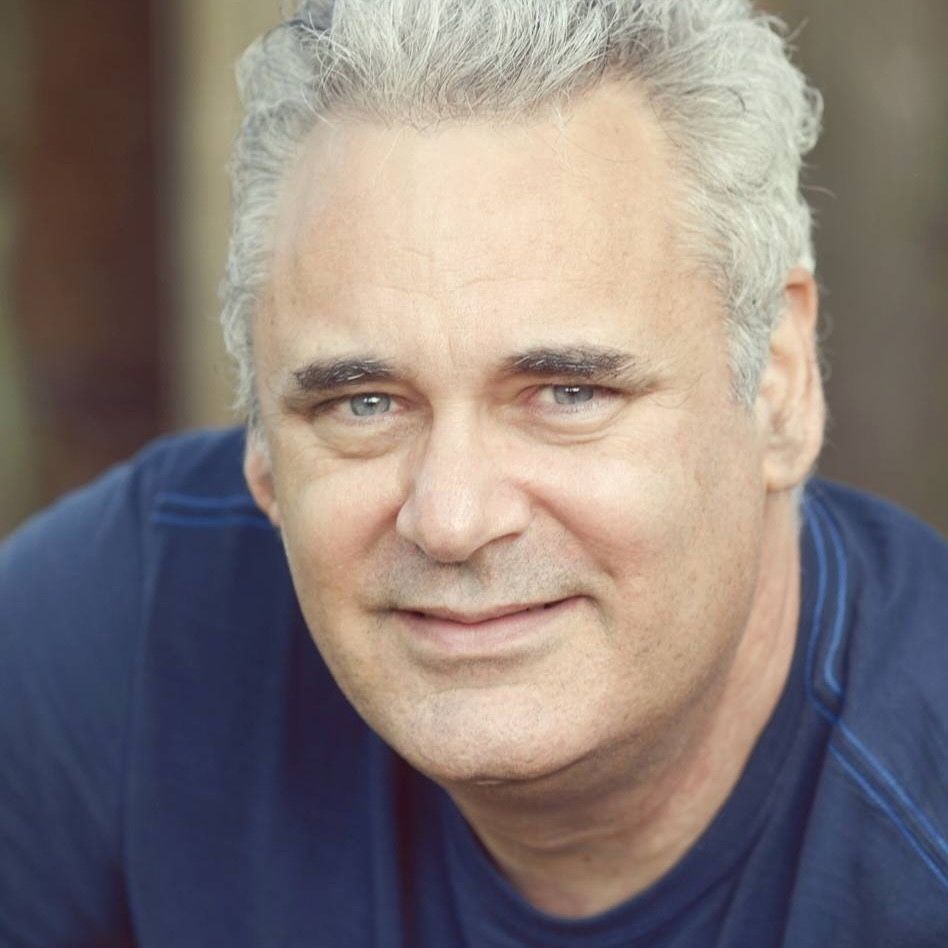
Pastor Jon Burnham
St. John's Presbyterian Church in Houston
5020 West Bellfort Avenue
Houston, TX 77035
713-632-6262